Montréal-Nord Toward Sustainable and Active Mobility
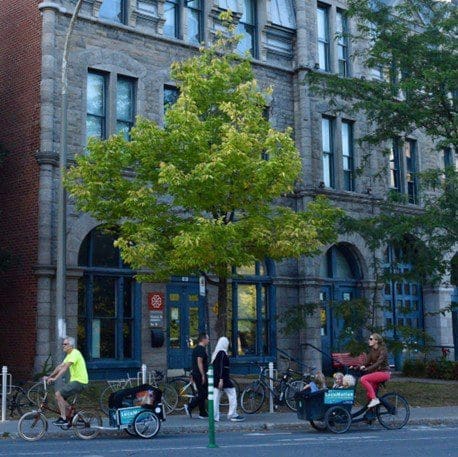
Reducing pollution starts with better mobility! The Montréal-Nord Neighborhood Table and its partners from the Active and Collective Transportation Committee of the Montréal-Nord Social Development Plan 2021–2026 are continuing their collective work to provide residents of this landlocked area with the means to travel in ways that are more ecological, affordable, and safe.
Grant $50,000
Category Mobility
Type NPO
Organization Table de quartier de Montréal-Nord
Year 2026-2027
Status In progress
450
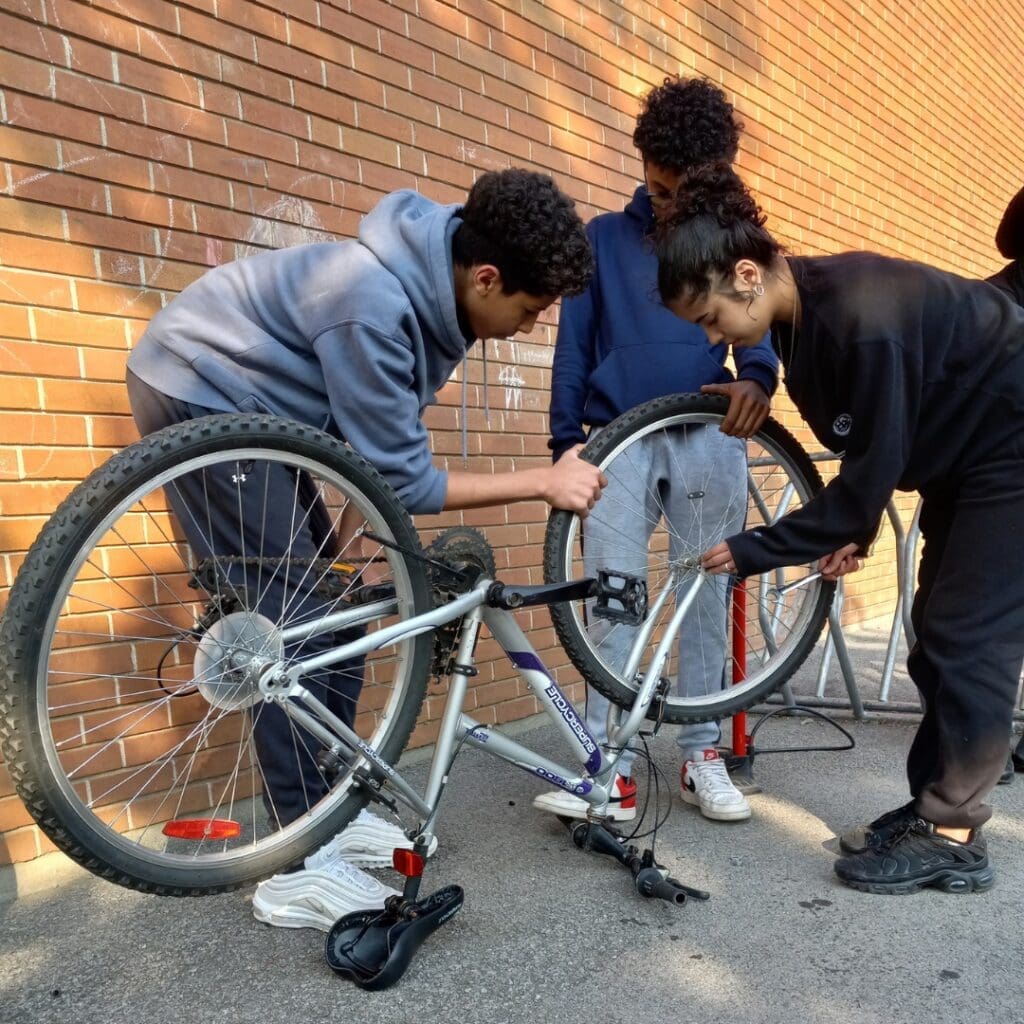
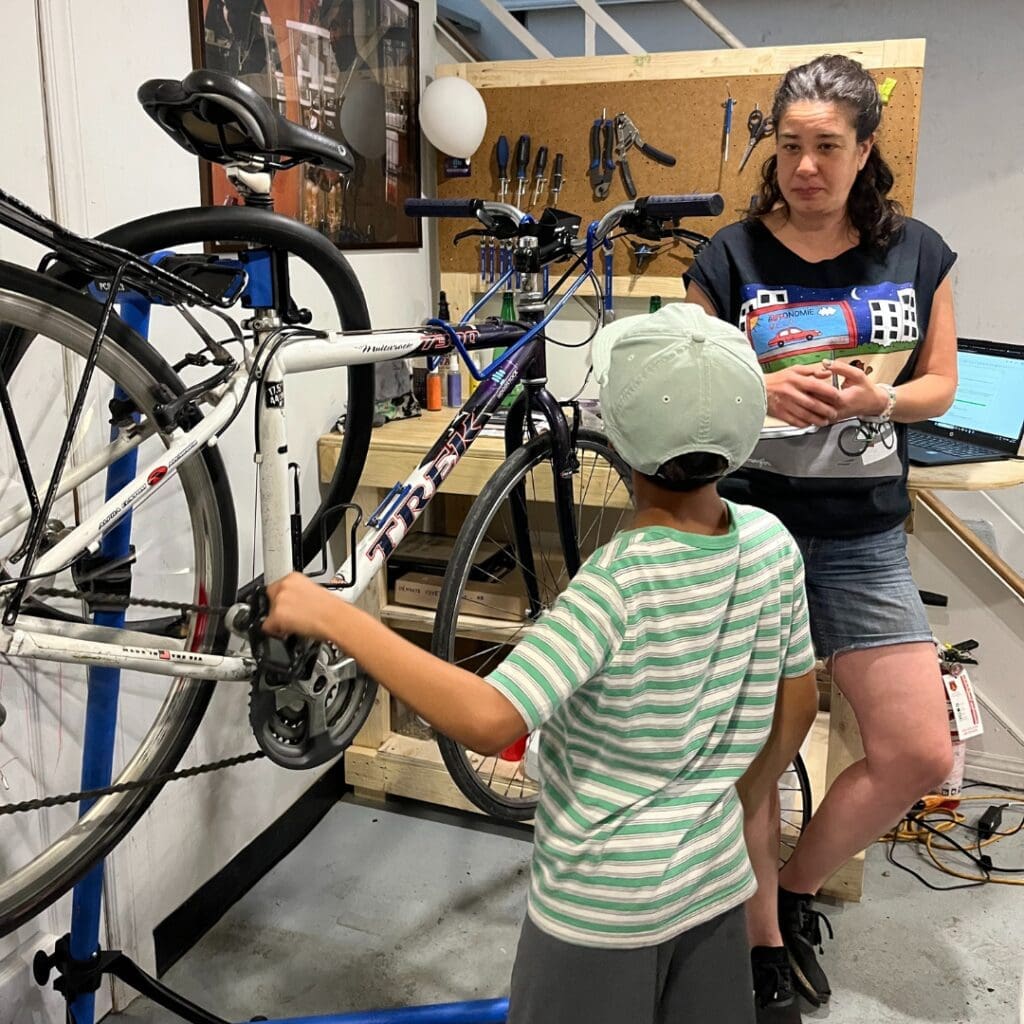
bicycles repaired and put back into circulation since 2024.
350
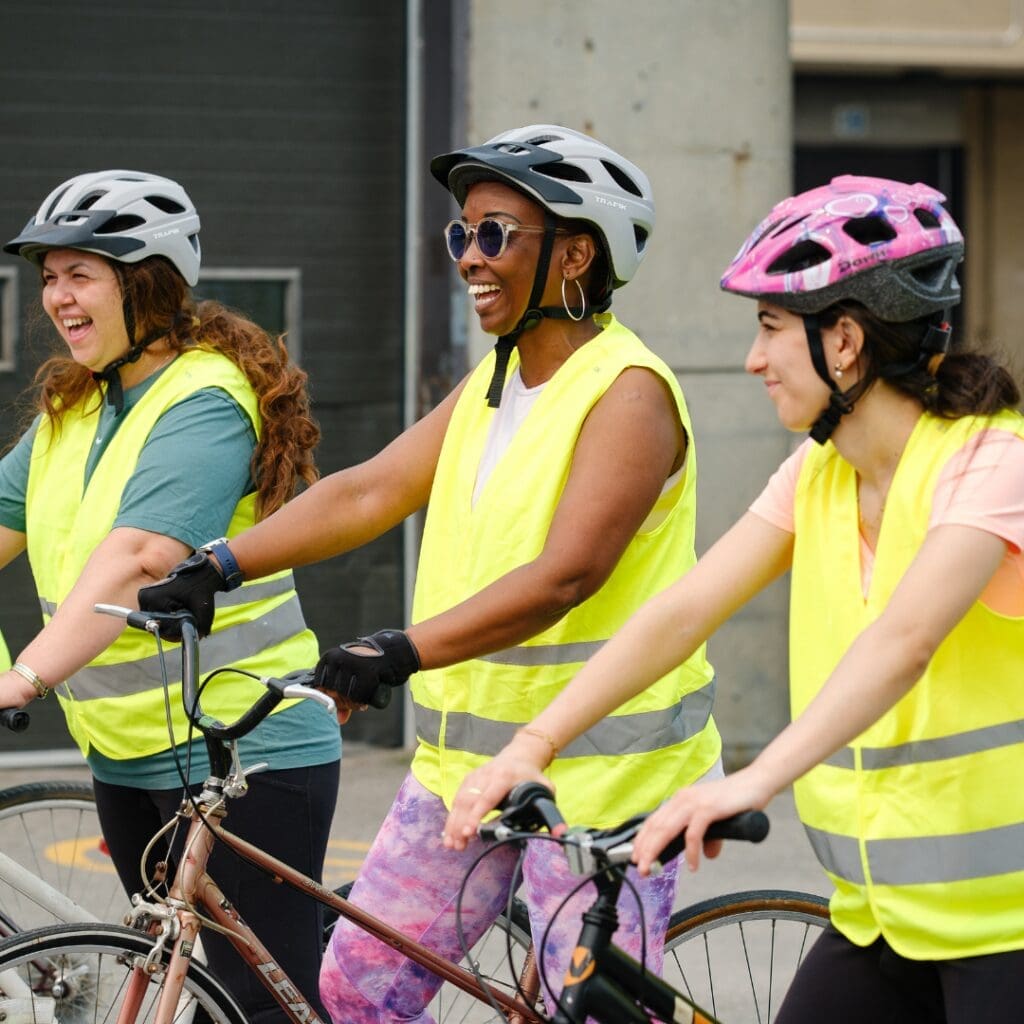
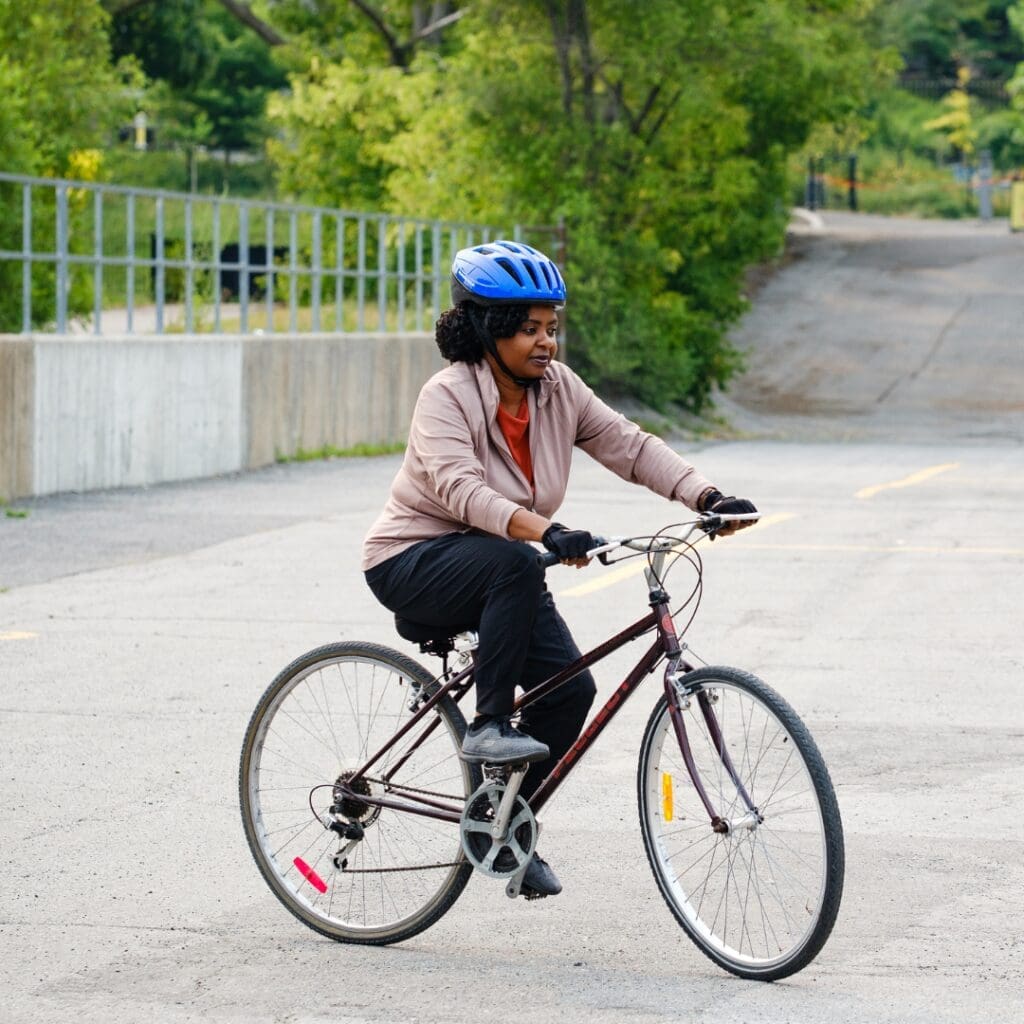
residents supported and trained in cycling since 2024.
10
%increase in bicycle trips replacing car travel among participants.
4
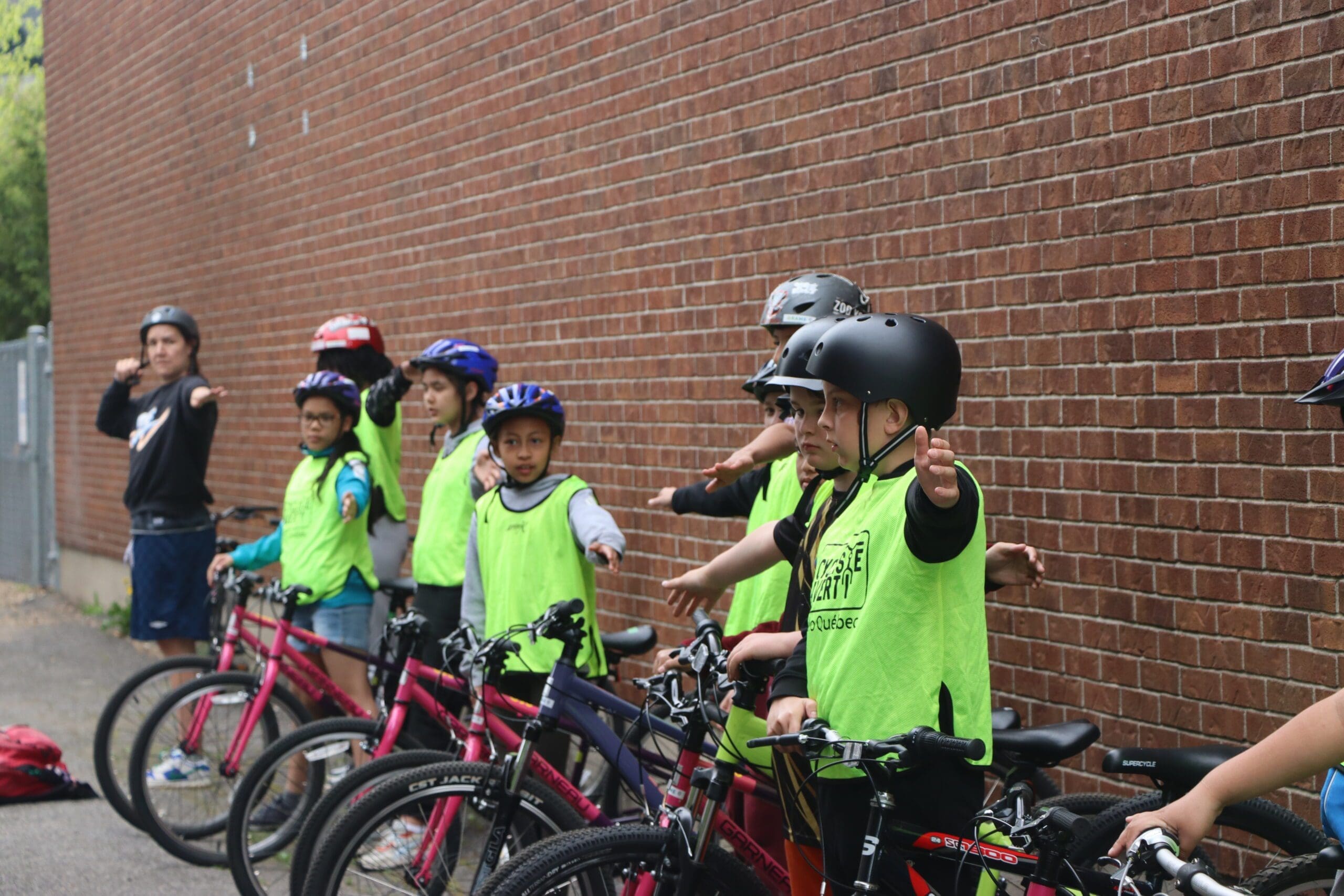
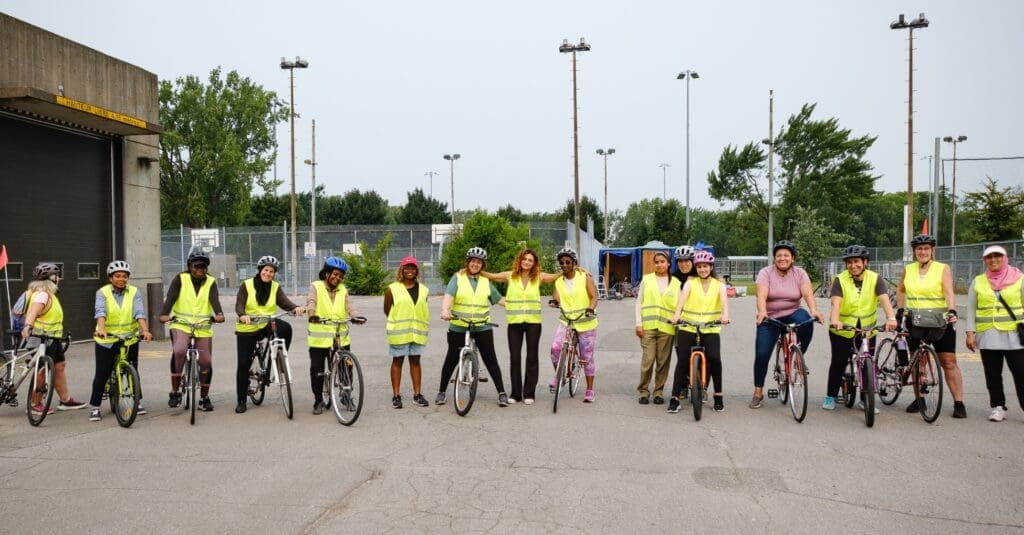
programs that promote safe and inclusive participation in active mobility, particularly among children, women, newcomers, and racialized communities.
A fair and inclusive transition
Advancing active mobility

Supported by the Greater Montreal Climate Fund, the Montreal-Nord Neighborhood Table and its partners are stepping up their efforts to firmly anchor active and sustainable mobility in Montréal-Nord. The objective is clear: to introduce residents to cycling and empower them to adopt it as a regular mode of transportation in order to reduce greenhouse gas (GHG) emissions related to travel, strengthen social cohesion, and improve quality of life in one of the most landlocked neighborhoods on the Island of Montréal.
With a view to a just transition, the project specifically targets groups that are often underrepresented in cycling, such as youth, women, newcomers, and racialized people. It is based on a community action model made possible through the collaboration of the Montréal-Nord Neighborhood Table, Hoodstock, Ville en vert, the Association de mobilité durable de Montréal-Nord, the CIUSSS du Nord-de-l’Île-de-Montréal, and the Borough of Montréal-Nord.
Quote
Quote from the team
Promoting active and sustainable mobility in Montréal-Nord means investing in inclusive social development based on safety, equity, and civic participation. It recognizes that access to safe transportation enables residents to increase their autonomy, take ownership of their neighborhood, and strengthen their collective agency.

Cassandra Exumé
Executive Coordinator of Hoodstock
Suggestions