Support for the deployment of urban logistics spaces in Montreal by Coop Carbone
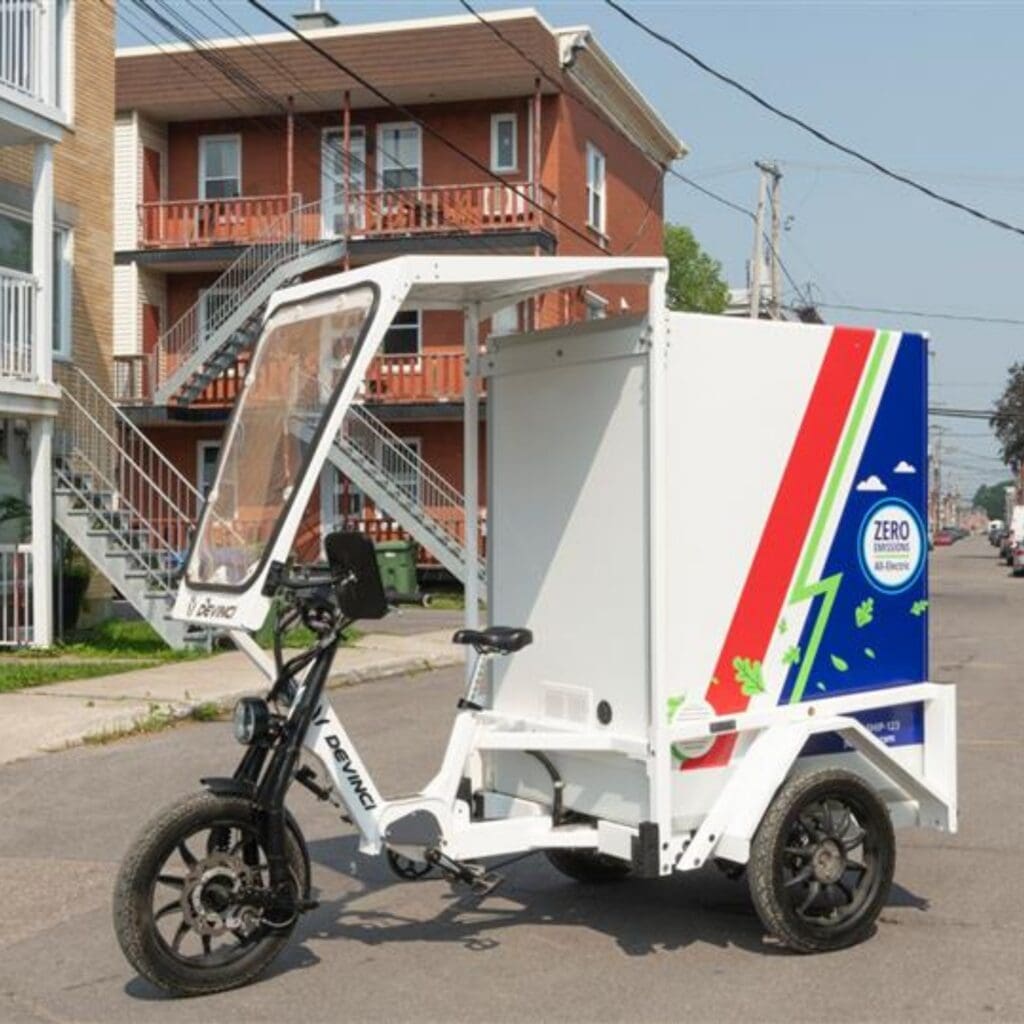
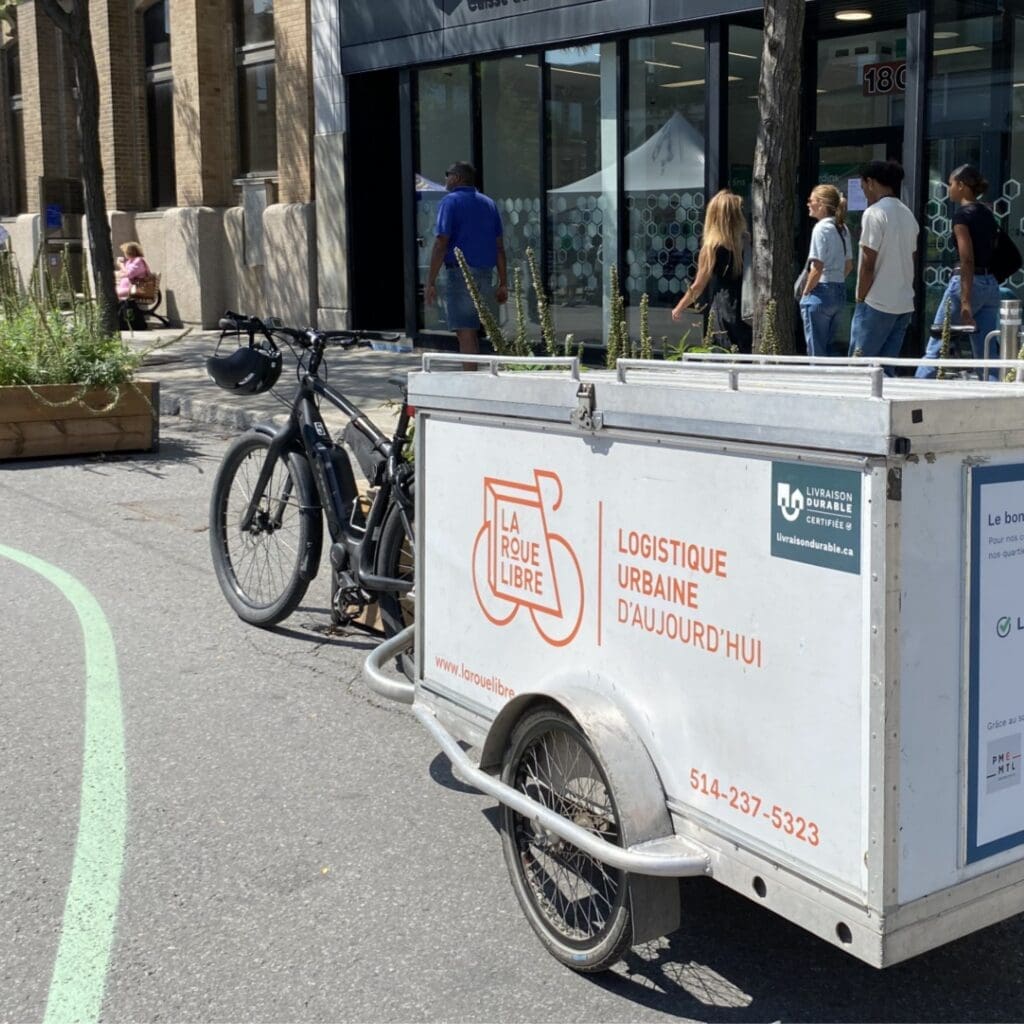
How can we reduce the carbon footprint of freight transport? To meet this challenge, Coop Carbone is working to develop a structured network of urban logistics spaces. The goal is to give delivery companies and retailers the means to carry out last-mile deliveries by cargo bike rather than by van, thereby reducing pollution, congestion, noise, and safety risks in Montreal’s central neighborhoods.
Grant $37,500
Category Mobility
Type Solidarity cooperative
Organization Coop Carbone
Year 2026-2027
Status In progress
20 to 30
vans removed from central neighborhoods and replaced with cargo bikes.

150
tonnes of CO₂ equivalent avoided annually.
350,000
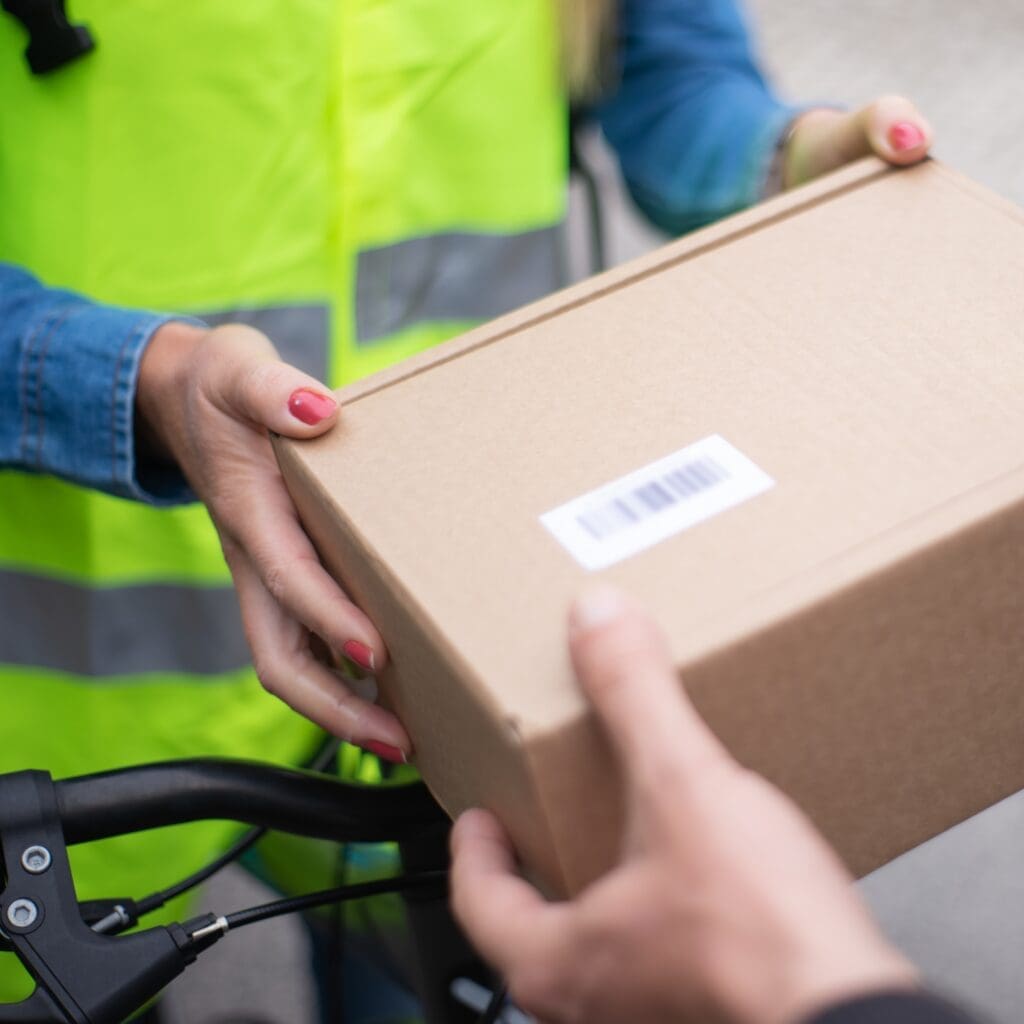
parcels delivered by cargo bike instead of gasoline-powered vehicles.

4
delivery companies involved in the pilot project and interested in scaling up.
85
%reduction in the negative externalities associated with delivery vans in central neighborhoods.
RDV COMM Climat
The event that accelerates action through communication
For the past 12 years, Coop Carbone has been taking action for the climate by implementing collaborative projects aimed at reducing greenhouse gas (GHG) emissions. Following the resounding success of the Colibri Maisonneuve and Colibri Iberville pilot projects—which demonstrated the feasibility of replacing delivery vans with cargo bikes for last-mile parcel delivery—the cooperative is now setting its sights on scaling up.
With the support of a new grant from the Greater Montreal Climate Fund, Coop Carbone is shifting into high gear and working to identify, develop, and operationalize a new urban logistics space in downtown Montréal, designed to serve delivery companies operating at both local and national scales. To further strengthen its model, the cooperative will also explore establishing a site in a more peripheral neighborhood.
Ultimately, the proposed solution will make it possible to remove between 20 and 30 delivery vans from the road, resulting in an estimated reduction of 150 tonnes of CO₂ equivalent per year. In doing so, Coop Carbone will contribute to the decarbonization of the transportation sector, which alone accounts for nearly 43% of GHG emissions in the province.
Quote
Quote from the Coop Carbone team
Bike delivery is not only beneficial for society, but it can also be highly profitable for carriers. The support of the Greater Montreal Climate Fund enables us to facilitate action and help companies that are aware and curious about the transition by providing the necessary services and infrastructure to replace delivery vans with cargo bikes.

Pauline Robert
Executive Director